
Who we are
The Mulungu Institute was founded with the mission of uniting environmental preservation and reconnection with nature.
Within our living laboratory covering 50 hectares of degraded Atlantic Forest, we develop and implement artisanal, sustainable reforestation practices.
Our approach offers an accessible path both for those with limited resources and for those who choose to restore land in a conscious and artisanal way: producing their own seedlings, understanding local ecology, and actively engaging in regeneration.
In this way, each small property becomes a seed of transformation, contributing to the recovery of the Atlantic Forest and to a renewed harmony between humans and nature.
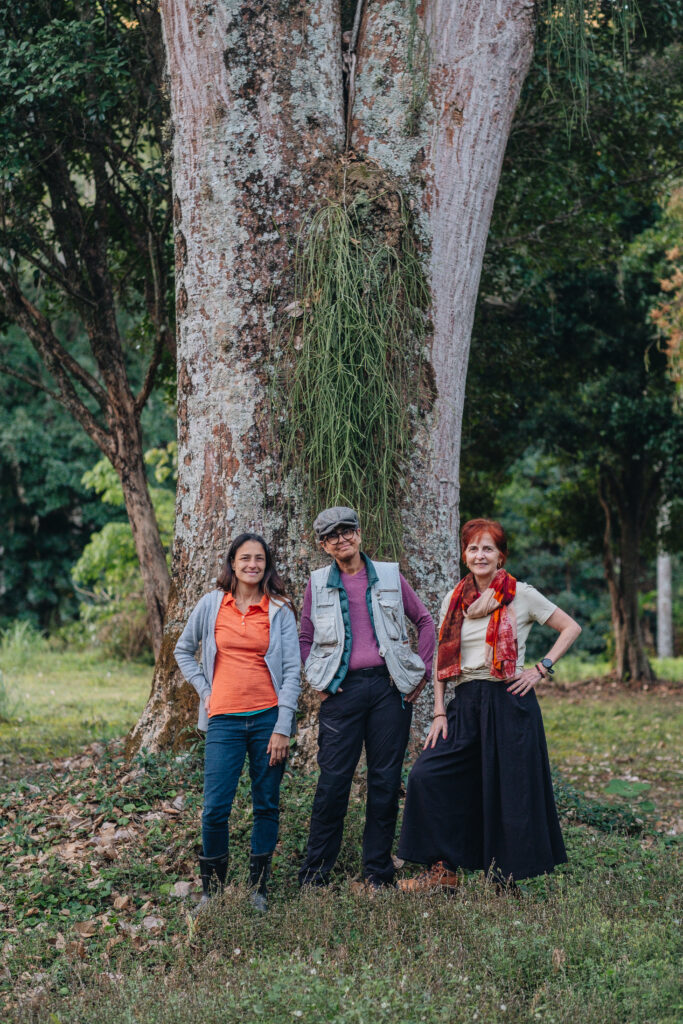
Who fertilizes this soil?
The Mulungu Institute was born from direct experience with the land and a deep awareness of the urgent need to act in the face of environmental degradation.
What once appeared to be a green landscape revealed itself as a silent, exhausted territory, the result of centuries of exploitation.
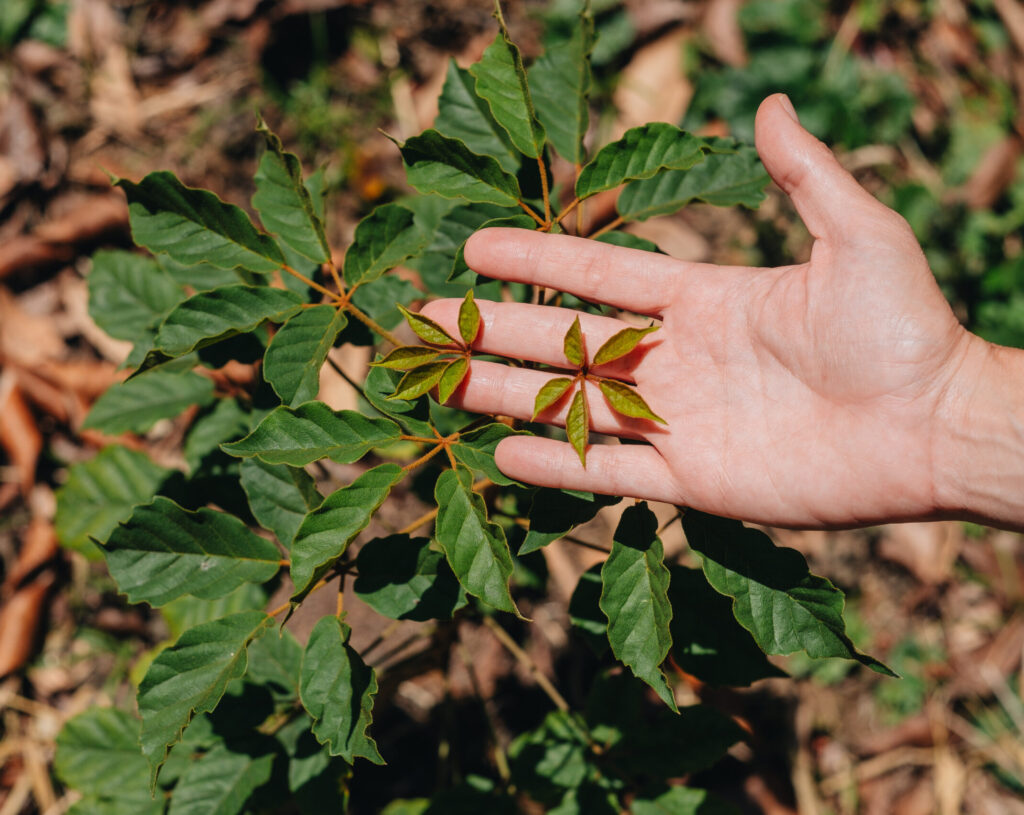
Through careful observation and early attempts to regenerate the soil using its own resources, a practice began to take shape: producing native seedlings, restoring biodiversity, and learning from natural cycles.
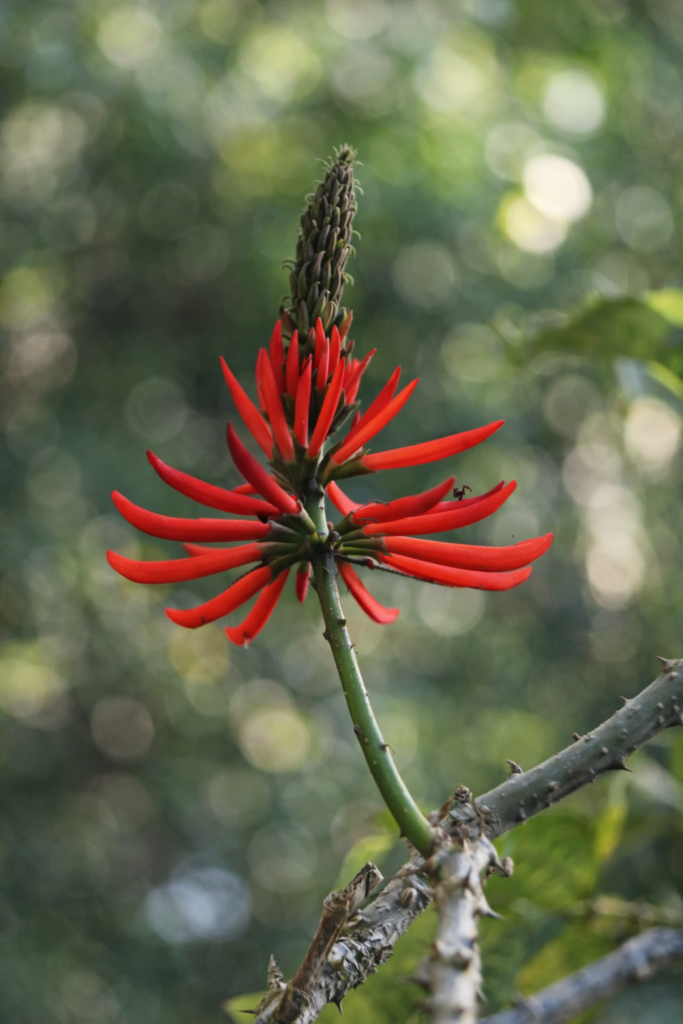
From this experience, combining observation, knowledge, and collaboration, a group united around a shared mission emerged: to give back to nature what had been taken from it. Inspired by the pioneer tree Erythrina Mulungu, a symbol of resistance, rebirth, and spiritual connection with life, the Institute was born.
..
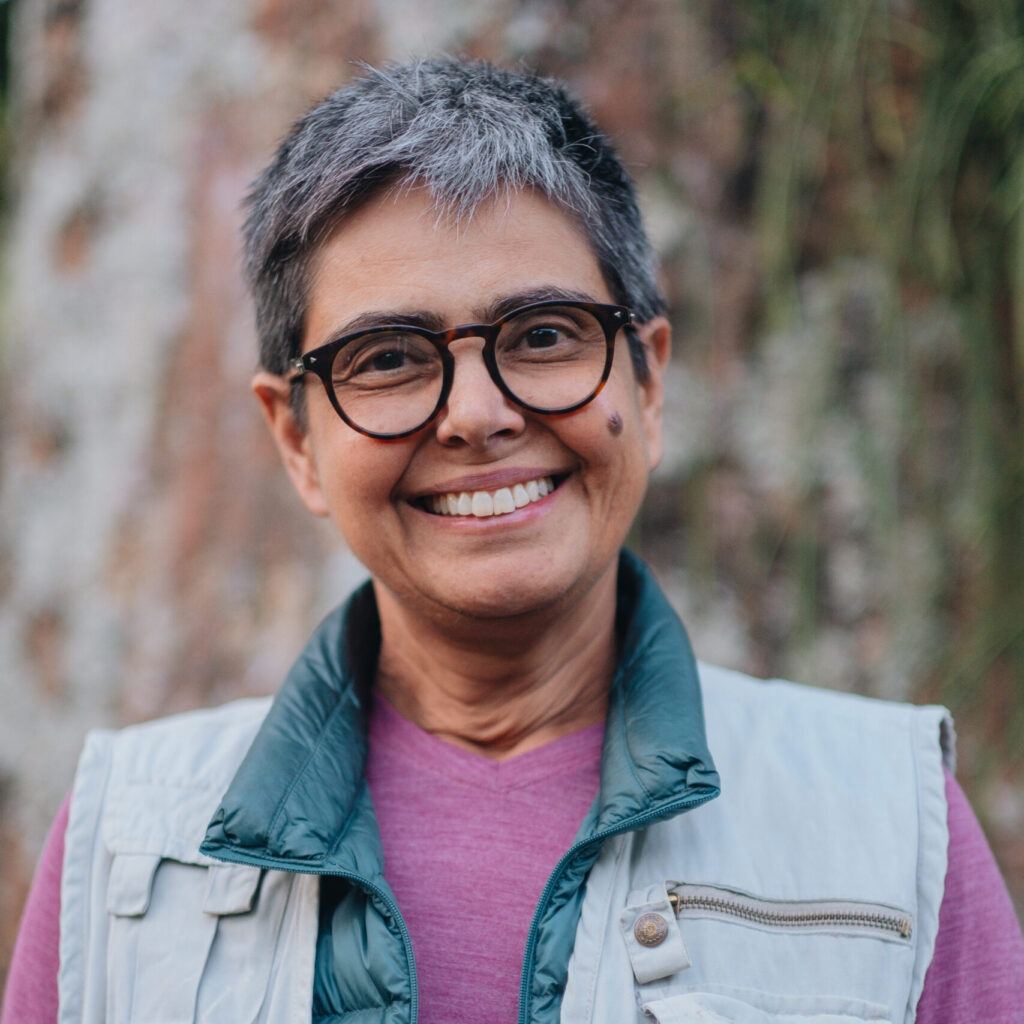
Marisa
Guaranys
Marisa Guaranys was born in 1966 in Rio de Janeiro and grew up in close contact with the Atlantic Forest, between Chácara da Gávea—part of Tijuca National Park—and Sítio São Pedro, her family’s property since 1943, located in an area shaped by long-standing processes of environmental degradation. A French teacher with a degree from the University of Nancy, as well as a translator, proofreader, and writer, she is the co-founder and President of the Mulungu Institute for Environmental Preservation. Since settling at Sítio São Pedro in 2023, motivated by global climate change and the accelerated loss of biodiversity, she has focused on theoretical and field research, the development of a native plant nursery, and ecological restoration efforts.
..
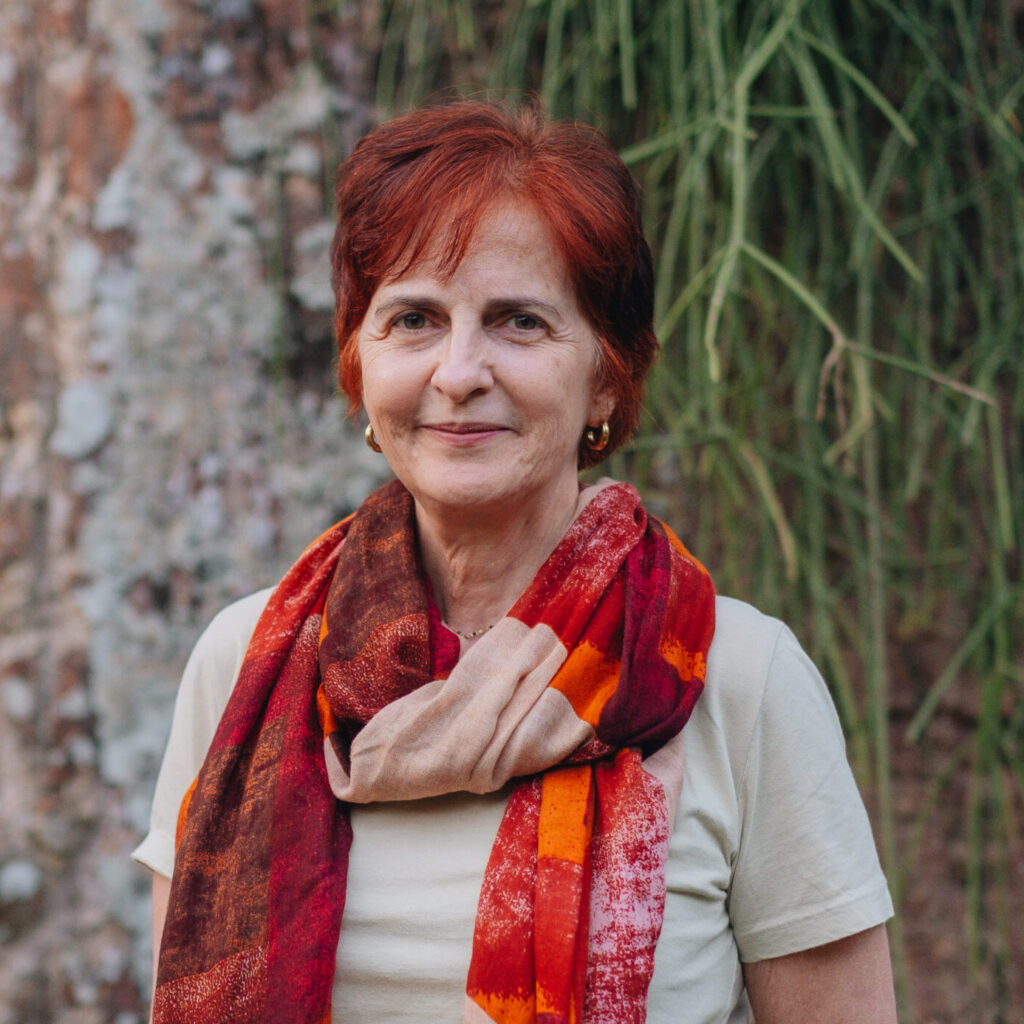
Christina
Terra
Christina Terra is a professor and researcher in international and development economics at ESSEC Business School (France). Alongside her academic career, she is the co-founder and Chief Financial Officer of the Mulungu Institute for Environmental Preservation, an initiative inspired by sustained observation and close engagement with Atlantic Forest restoration efforts carried out at Sítio São Pedro. The Institute also reflects her commitment to providing institutional support for the dissemination of artisanal ecological regeneration practices grounded in sensitivity to local ecosystems and collective action.
.
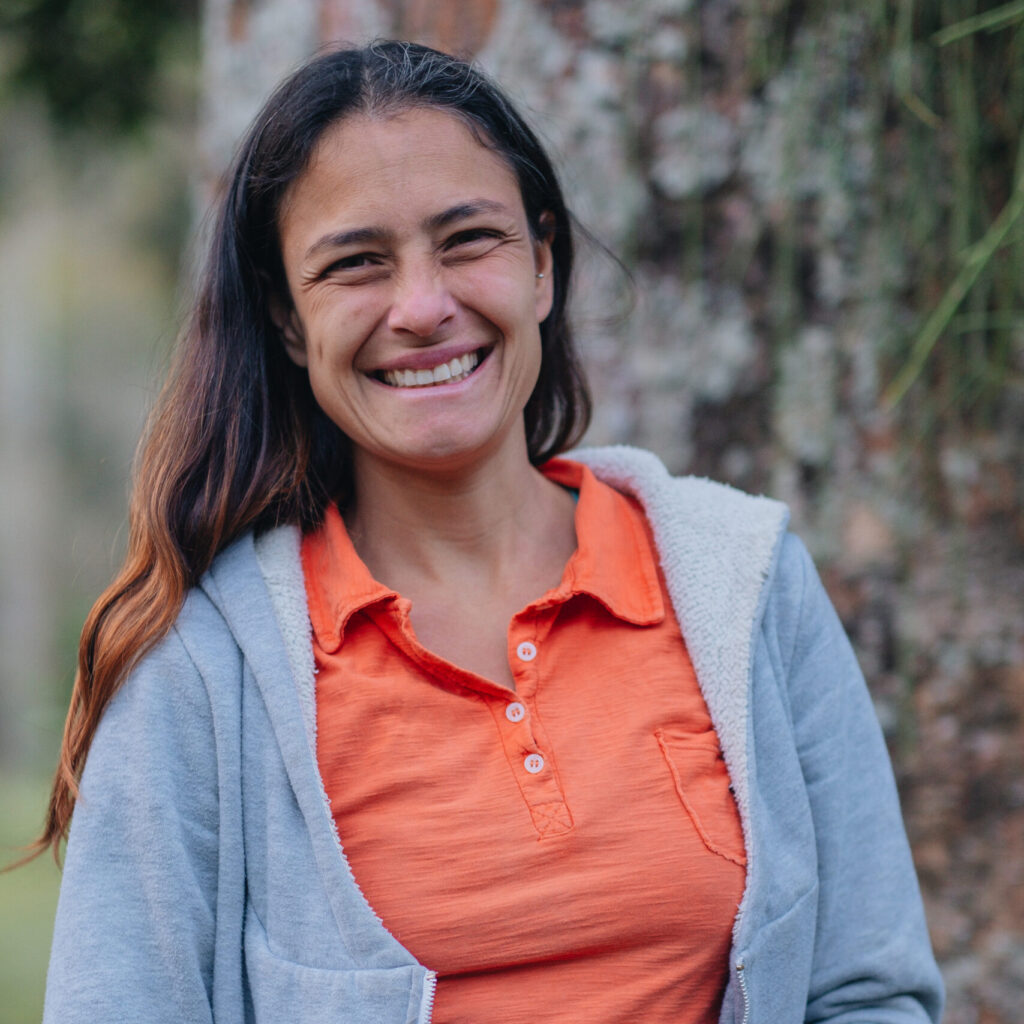
Ana Clara
Ferrão
Ana Clara Ferrão holds a bachelor’s degree in Biological Sciences and has worked in environmental education since 2012, with a focus on environmental preservation and raising awareness of the ecological importance of species and ecosystems. She grew up in close contact with nature at Sítio São Pedro, where she developed, from an early age, a keen awareness of fauna and flora and a strong commitment to forest regeneration. She currently lives in Rio de Janeiro, is the mother of three children, and is the co-founder and Vice President of the Mulungu Institute for Environmental Preservation.
Discover Our Bylaws
The bylaws of the Mulungu Institute establish the principles, objectives, and rules that guide our work. They define our mission of environmental preservation, the values that inform our decisions, our governance structure, and the way the Institute operates. More than a legal document, the bylaws reflect our commitment to transparency, collective responsibility, and the long-term care of the Atlantic Forest.
The Mulungu
Mulungu was chosen as the name and symbol of the Institute because it is a pioneer species, capable of withstanding severe degradation and heralding the rebirth of life. Pioneer trees are the first to establish themselves in degraded environments: they endure extreme conditions, rebuild the soil, create shade, and make the gradual return of biodiversity possible.
In several African cultures, Mulungu is also the name of God. Erythrina Mulungu thus represents resistance, regeneration, and a profound spiritual force—values that inspire and guide our work.